 Finding the best reciprocating saw is at the top of the list for many people who are picking up their tools. Whether you call them a sawzall, a reciprocating saw, or “that vibrating piece of junk” they’re an essential part of many DIYer’s kit.
But how do you know which one is the best for you? There are a ton of them out there after all, and they all look about the same to the untrained eye.
If you’re in the market for a reciprocating saw then you’ve come to the right place. We’ll show you how to pick the right one for your own home, what you need to keep an eye out for, and even give you some handy tips on how to make sure you get the most out of your new saw.
 Unlike miter saws and table saws, reciprocating saws really aren’t part of the “essential” word working kit that most people think of.
Instead, they’re most often used for rough cuts in the field and for demolition work. They’re simply not as precise as many of the other saws on the market.
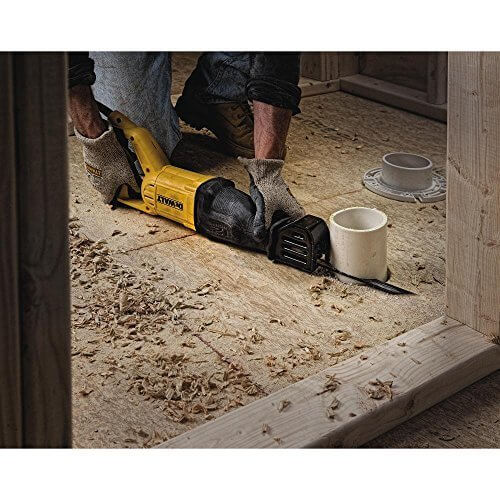
They shine when you’re just tearing into drywall, wood, or even thin metal, however. If you’re looking for a saw you can wield like a low-powered lightsaber, just cutting through whatever might get in your path without particular care for precision, then you’re looking at the tool you need.
 Otherwise, you may be best served with a circular saw as your primary portable option.
One things is for sure, however: reciprocating saws are essential pieces of kit for anyone who is planning on doing demolitions work.
With some care they can also cut through things a little bit more precisely, but the sheer power and the ergonomics of the saw make them a bad fit for those who are only looking to do some precision wood working.
We went through quite a few of these saws trying to bring you only the best. As usual, the categories began to boil down to the same reputable brands that we usually end up recommending. Predictable, but effective in the end.
Once we had our saws down it was time to rank them and figure out which was the best for which purpose. So we had to check certain qualities of the saw, as well as make a big decision…
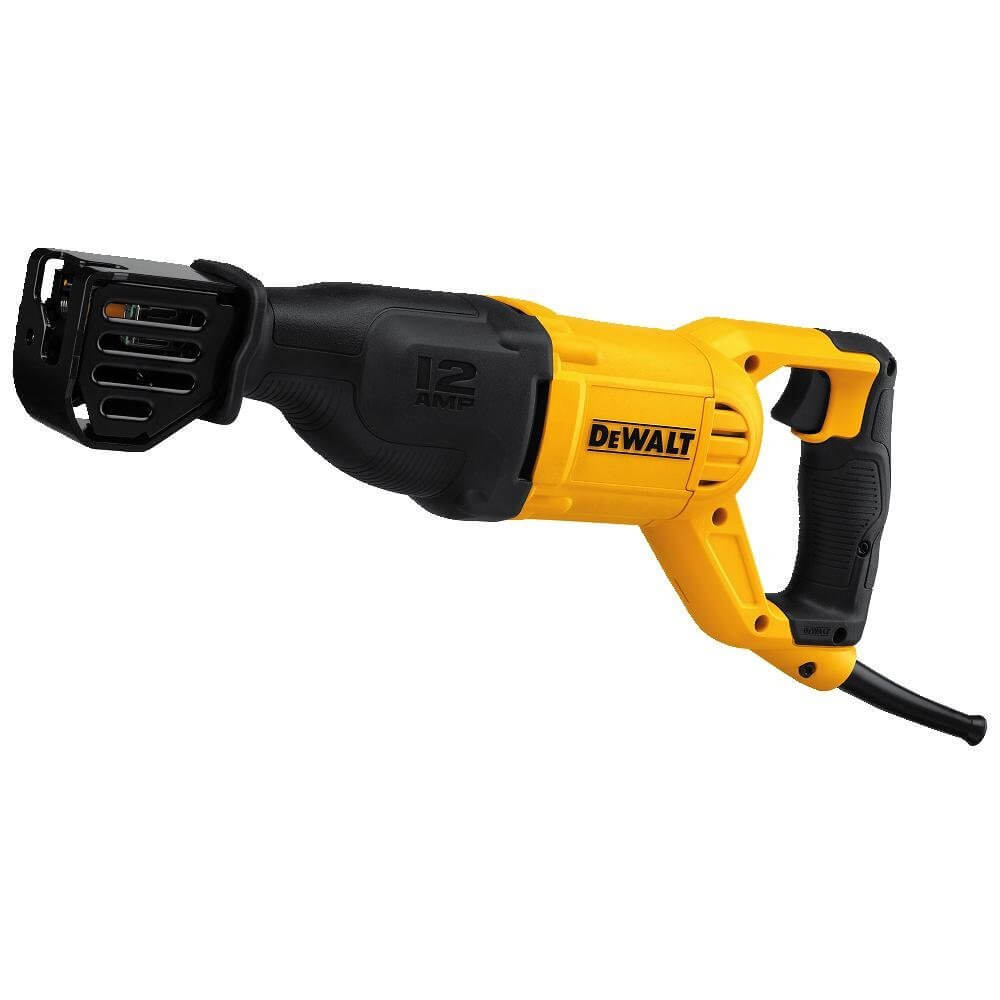
 Corded reciprocating saws are more powerful, and generally cheaper, than their battery operated counterparts. They can provide a pretty high amp rating, which means the saw blade will move more quickly and cut with more power.
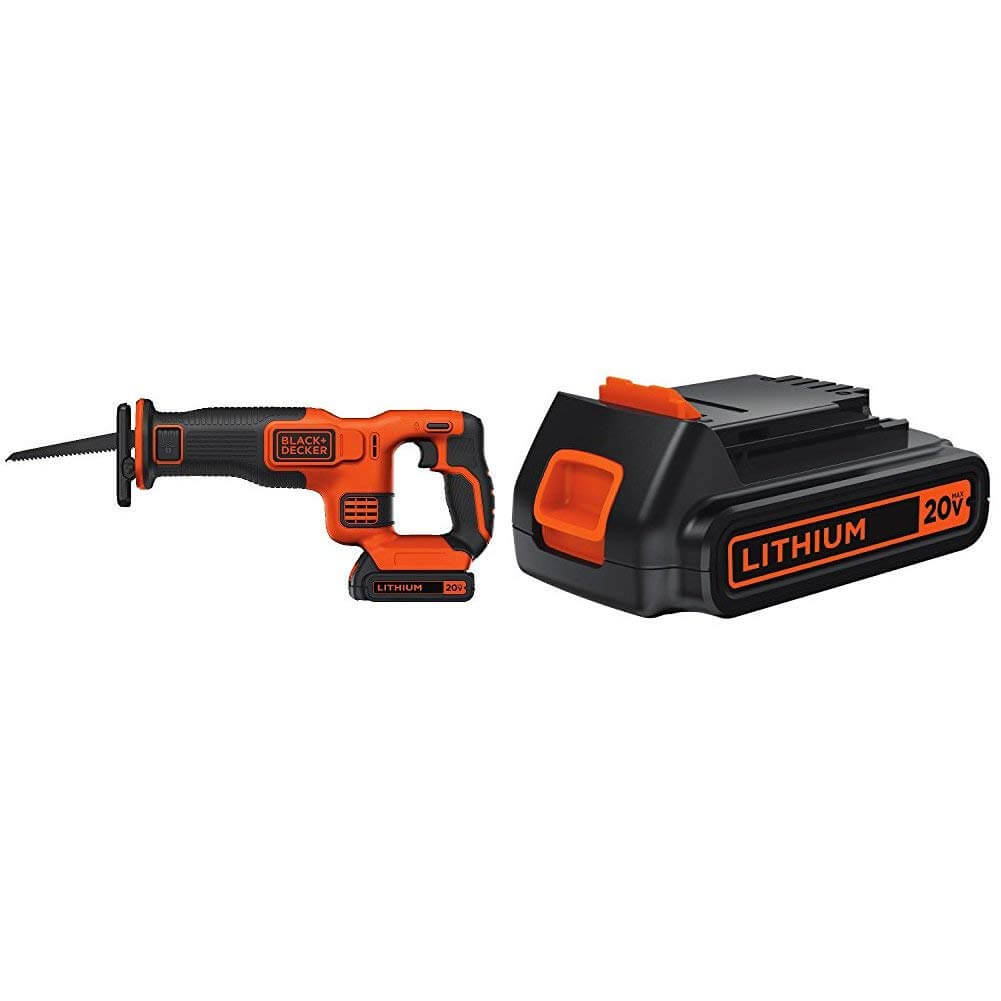
Battery operated models, on the other hand, are great for their increased portability when compared to corded models. Not being bound to a wall socket means that you’re able to take the saw wherever you can carry it and get right to work.
 Both have their uses, and we noticed a lot less difference in power than you’d think at the upper echelons of battery operated sawzalls. The truth is that lithium batteries have been a major game changer when it comes to power tools.
The choice is ultimately going to boil down to what you think is the right way to go, but we recommend the following: corded saws are best for dedicated work stations or heavy duty-work on a regular basis, cordless saws are the way to go for demolition work or situations where you need the additional portability.
Like all saws, reciprocating saws can have their power extrapolated from the amperage which they pull. More amps, more power.
 That’s not the only factor, of course. The internals of the saw play a role as well, so two saws with the same amperage might have slightly different amounts of power. It’s just a matter of how efficiently things are delivered to the blade itself.
Keep in mind that sawzalls with really high amperage ratings can be an absolute bear to handle. They vibrate, shuck, slide, and generally do everything but what you want them to in the hands of someone with no experience.
 Don’t shoot for super high power if all you’re planning on doing is ripping up 2×4’s in the garage or backyard. On the other hand, for demo work it’s sometimes necessary to get an extremely high-powered saw with a bimetal blade just to tear through nails, wood, and anything else which might get in your way while you’re tearing things up.
With reciprocating saws you also have some additional things to factor in: stroke length and strokes per minute (or SPM). While the amperage will give you a good idea of the overall power for the saw, the length and speed of the strokes are going to be a huge factor in determining what you’re actually looking at.
There are also orbital reciprocating saws on the market. These move in a slightly elliptical fashion rather than straight back and forwards. Studies have shown this improves cutting time and blade lifespan.
Look, a reciprocating saw is never a particularly comfortable machine to run. They vibrate heavily, they slide around, and if you’re not careful they can do all manner of strange things. It’s just the nature of having a powerful saw just hanging it’s blade in the air.
 That means you need to find something which fits your grip comfortably. While it may not be necessary to be precise and tearing things up, you also want to be in the right general area without overly straining your wrists, hands, and arms.
Weight is as important as the grip, particularly if you’re planning on doing a lot of demolition work. You want to be able to hold the saw for extended periods comfortably.
Trust us, the additional weight adds up quickly when you’re running a heavily vibrating saw for long periods of time.
 Reciprocating saws are, by their very nature, workhorse tools. While you might be able to get away with some saws and skipping a warranty, do not do this with a reciprocating saw. Chances are that any flaws in the manufacturing are going to show up rapidly.
Just make sure you’re covered. Hopefully, you never have to deal with it, but if you do then you’re going to be thankful for the warranty.
While most models of reciprocating saw work about the same way, it’s important to note that there are a few things available which will make your life a lot easier.
A highly adjustable shoe is one of these features. The shoe is the portion of the saw which goes out along the blade. You seat the shoe in order to keep the saw tight against the material while you cut through it. We’ll talk about blade modification after the reviews, but a shoe which moves farther will keep you from having to do so.
 Tool-less clamps are fantastic. They let you change out your blades without needing to use any tools. It makes things a lot more hassle-free, especially when you’re cutting through multiple types of materials on the job site.
Guide lights are also a nice touch. While they’re not necessary all of the time, they’ll certainly make things a lot easier on you when you’re cutting in low-light conditions.
There’s a wide variety of minor modifications which are made to reciprocating saws, we’ll note them as they come up in our reviews.
But, without further ado, let’s see what some real world testing tells us about our chosen models.
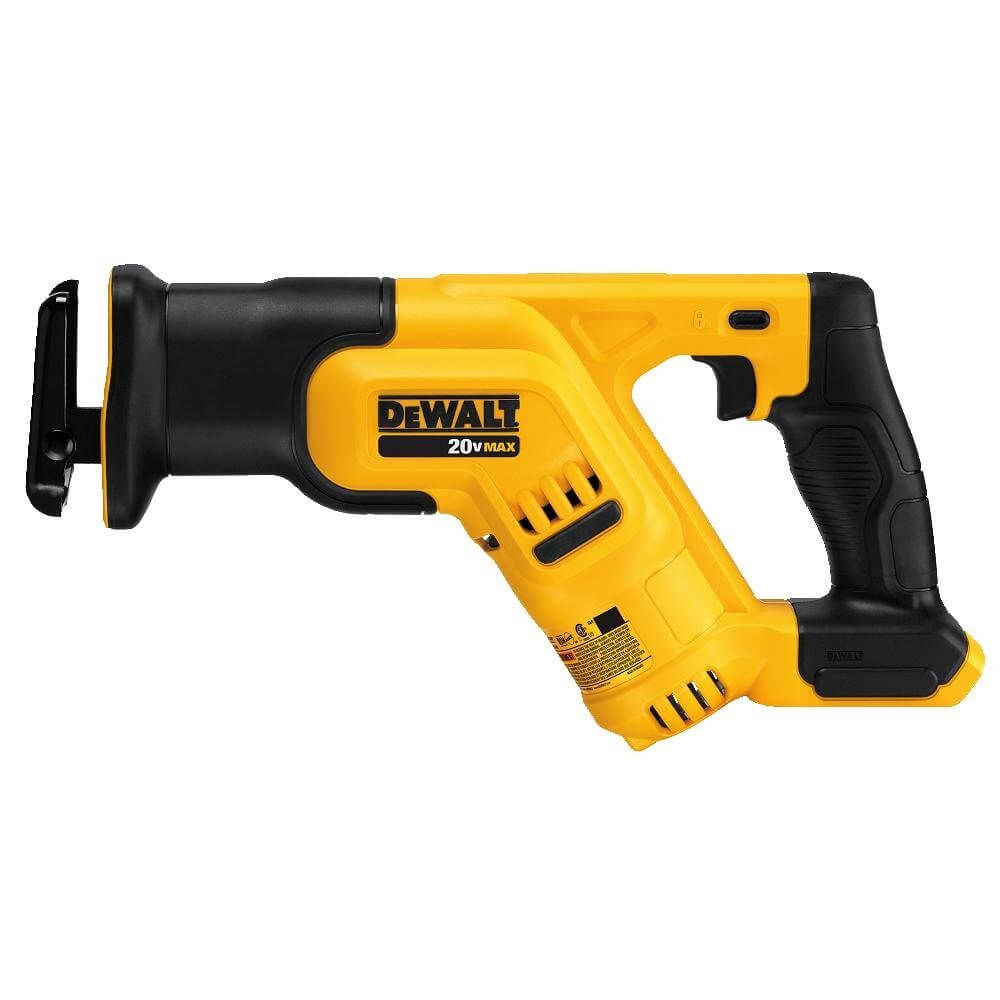 If you’re looking for a high-end tool which can fit into small spaces, then you’ll be well served with the DeWalt DCS87B. It’s a compact reciprocating saw that makes almost no sacrifices when it comes to power.
The running theme is that DeWalt regularly tops our lists. There’s a reason for that: they make great tools and until you get into extremely high-end tools they’re usually a good bet. This one surprised even us.
Despite its diminutive frame, the saw has an impressive stroke of 1 ⅛” and a variable speed trigger that runs from 0-2,900 SPM. It’s a lot of power and it’s all fed by DeWalt’s 20V battery which means it’s compatible with a wide range of tools.
The only real drawback here is the high price. Lithium batteries are expensive anyways and DeWalt’s tools are also rather expensive in the end. It also vibrates heavily due to the smaller, lightweight frame.
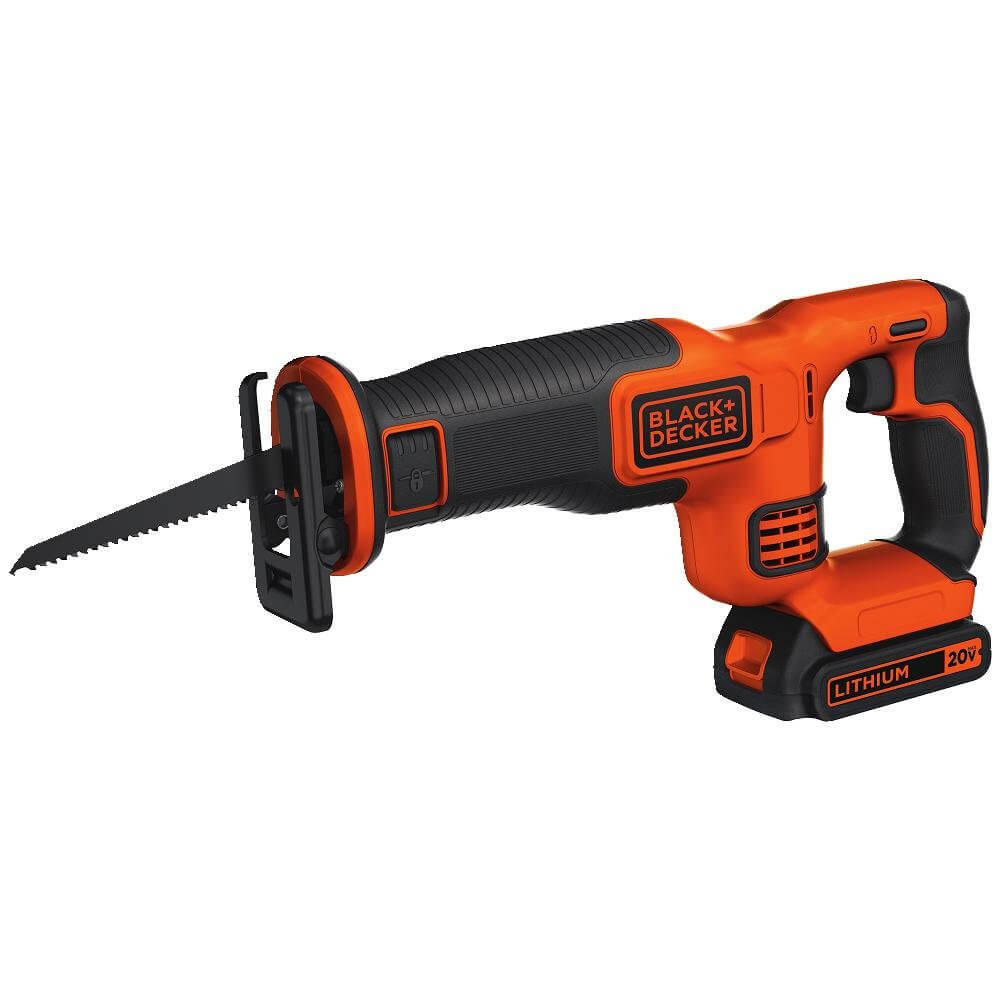 While it may not have the power or durability of many of the tools on our list, we recommend the BDCR20C for those who are using their saw for light duty around the home. The whole kit comes in, as of the time of this writing, at a bit under a hundred dollars which lets it fit into most budgets.
The motor on this saw reaches up to 3000spm, it is also lightweight and easy to maneuver although it vibrated more heavily than any of the other saws which we tested. It also suffers from a relatively short battery life during testing the sessions lasted between twenty-five and forty-five minutes depending on how heavily it was being used.
It’s not going to win any awards for power but it’ll do the job at the end of the day. It also has an electric brake, stopping the saw as soon as you let off the trigger. Most cordless saws have this ability but it’s a nice feature to see in one this cheap.
It also has a relatively short stroke length of ⅞”. While it’ll make short work of a 2×4 and nails, this might not be the go-to saw for heavy demolition work.
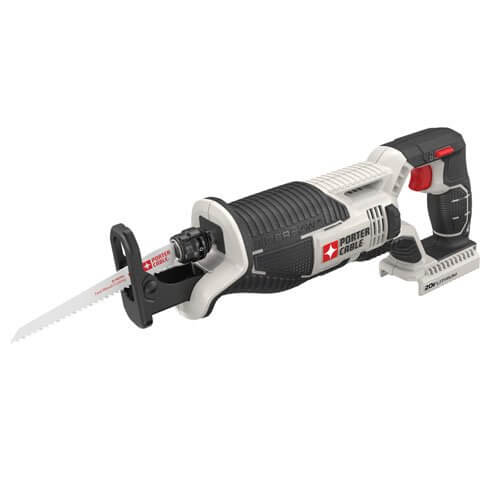 While cheaper than most of those on our list, we quickly found the PCC670B to be a great place to put your money. For non-professional use it’s probably our favorite, coming in ahead of the Black and Decker model above when it comes to power and smoothness.
If you’re looking for the best matching of price and function then you’re in the right place. This tool performs much better than the price point would indicate and has some extra features that make it stand out.
Our favorite bit? The non-marking shoe. While reciprocating saws are rarely used for precision work, you don’t always want to leave a mark on whatever you’re cutting.
The main problem is that it feels “cheap” although we didn’t have any problems with it during testing. Comparing it to a DeWalt or Milwaukee tool you’ll be able to tell an immediate difference in how well they’re put together.
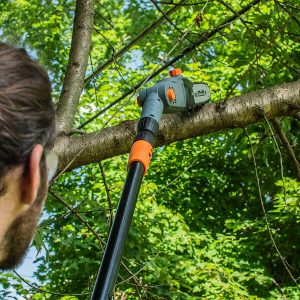
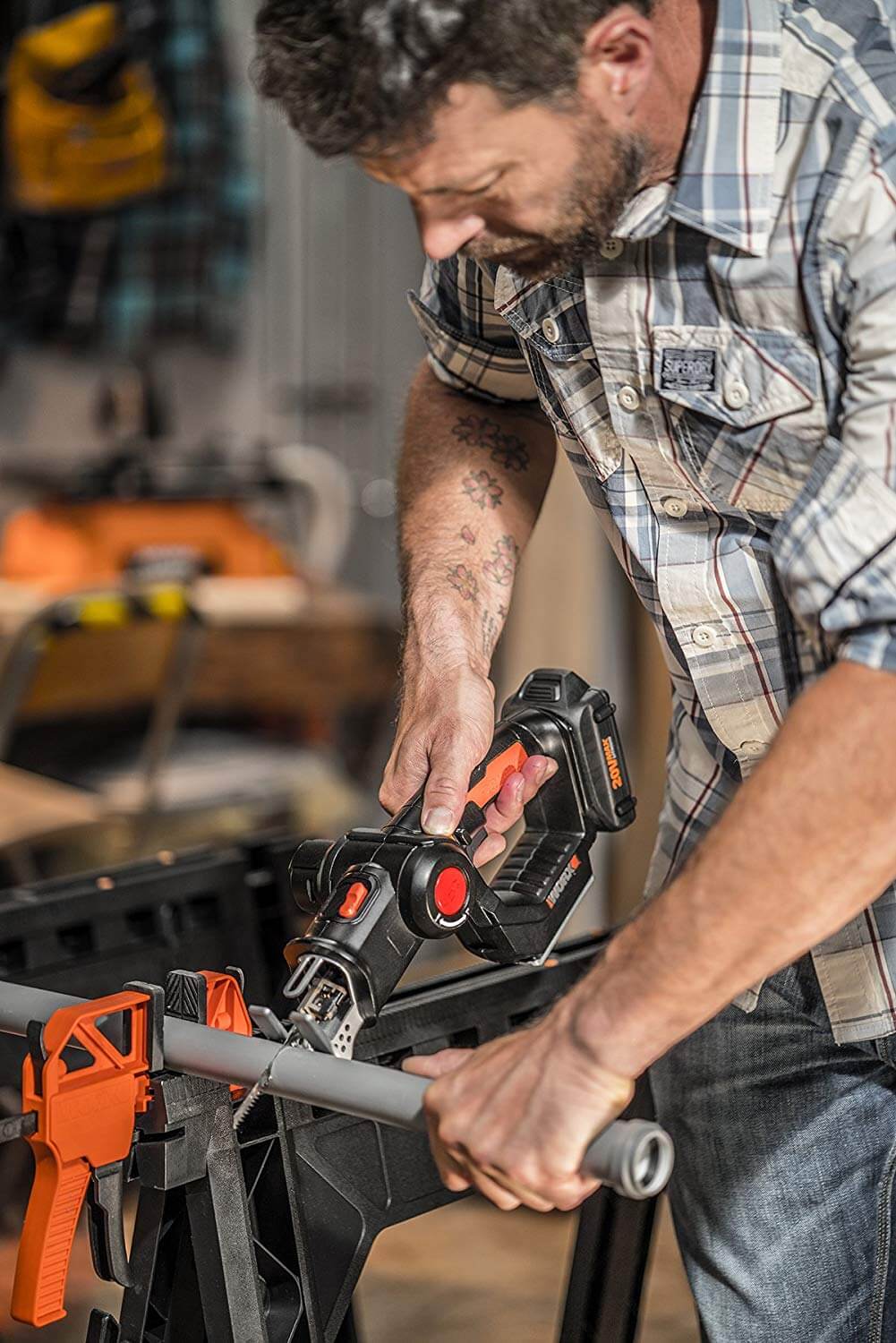
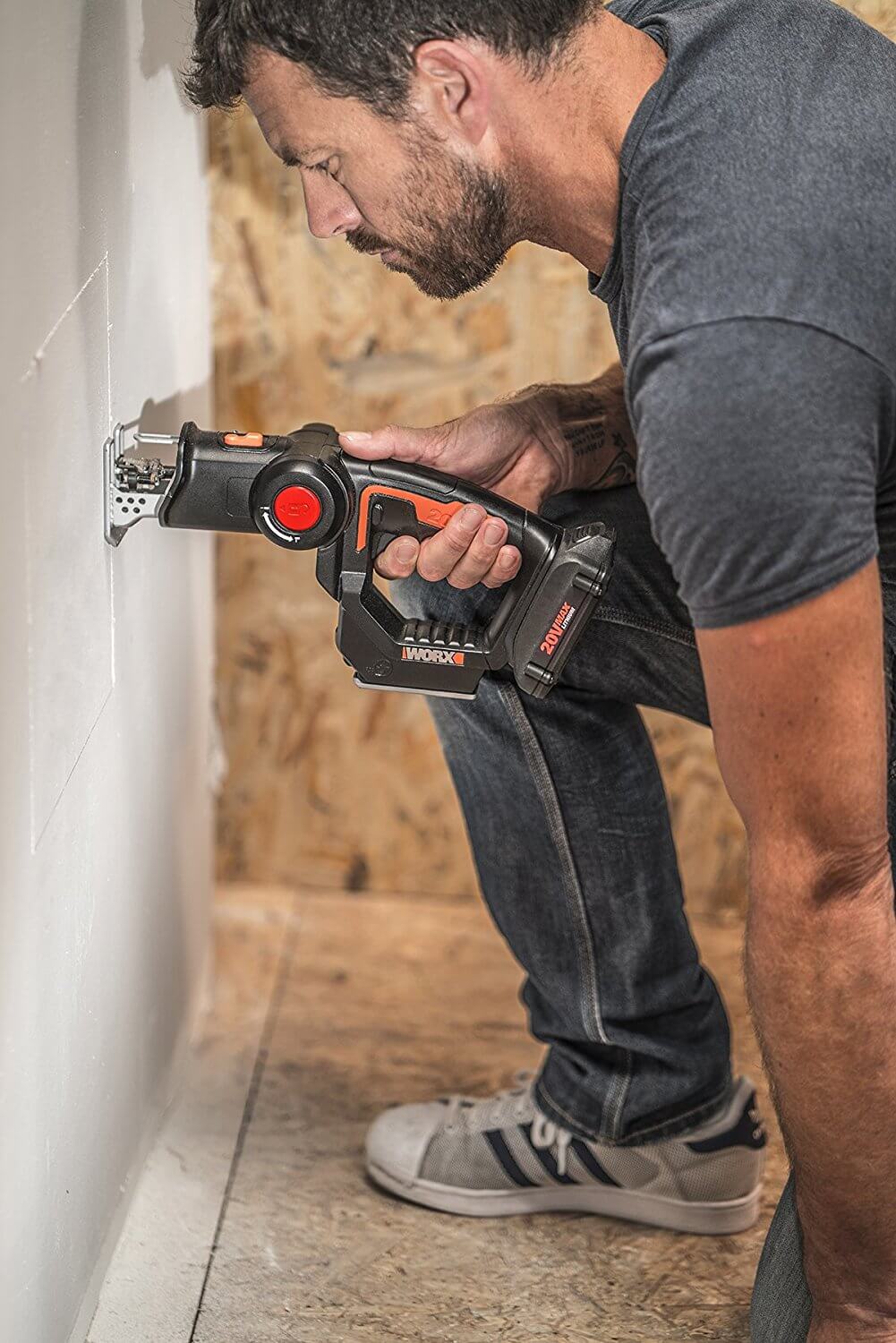
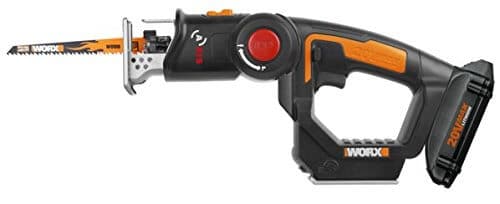 The profile of the WX550L looks a bit odd for those who are used to a standard configuration in their reciprocating saws. On the other hand, it does lend itself well to tree trimming while still being able to take the wide variety of blades which are made for sawzalls.
 WORX tends to modify tools a little bit from what most people are used to. In this case, the trigger is in line with the blade and it has a wide handguard and it can be converted into a large jigsaw by rotating the blade.
The hand guard and orientation make this one ideal for trimming trees, but the short battery life and awkward orientation of the trigger compared to a normal sawzall make it a bit harder to use for normal sawing tasks.
That said, it’s a versatile tool and if you’re short on space you may want to give it some consideration.
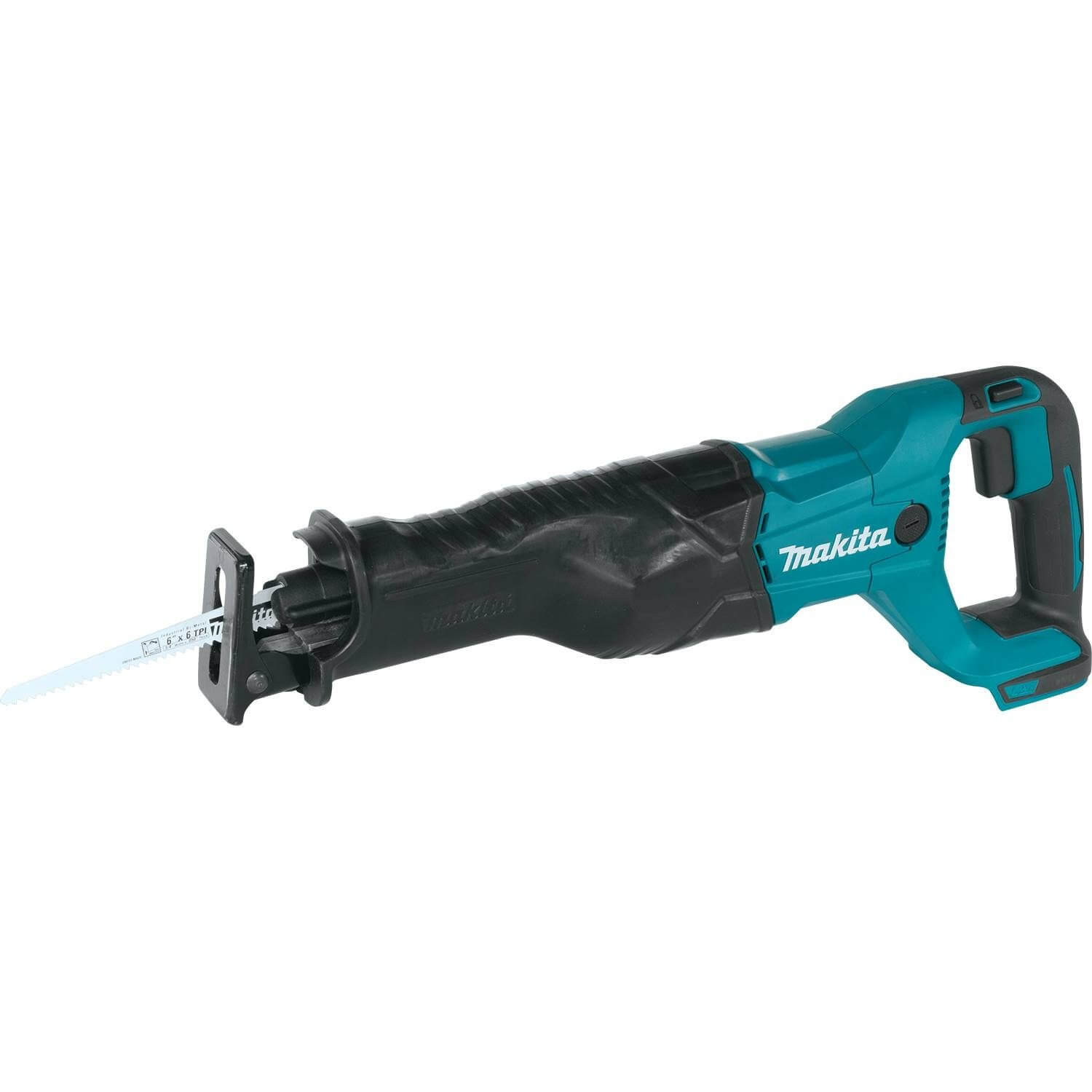
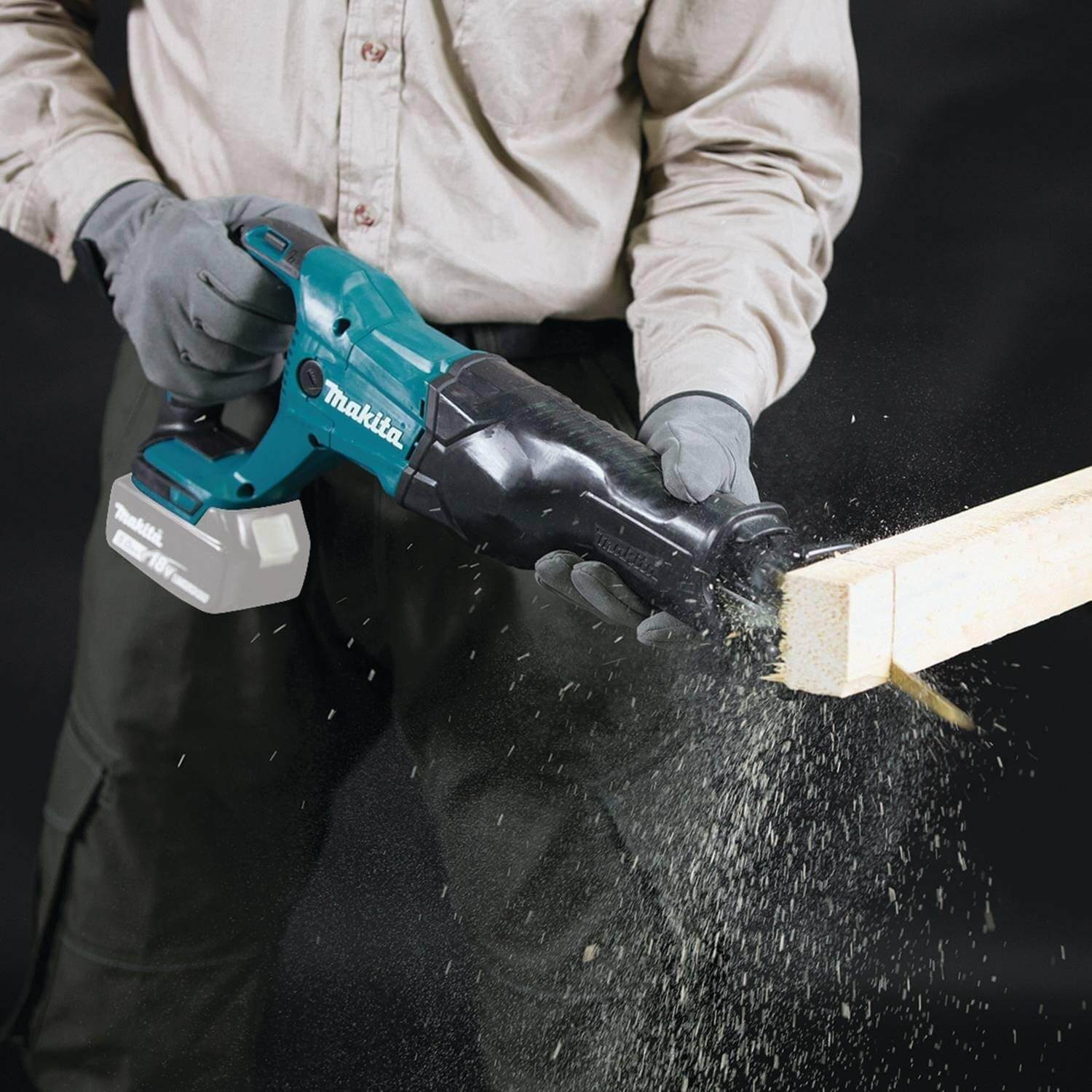
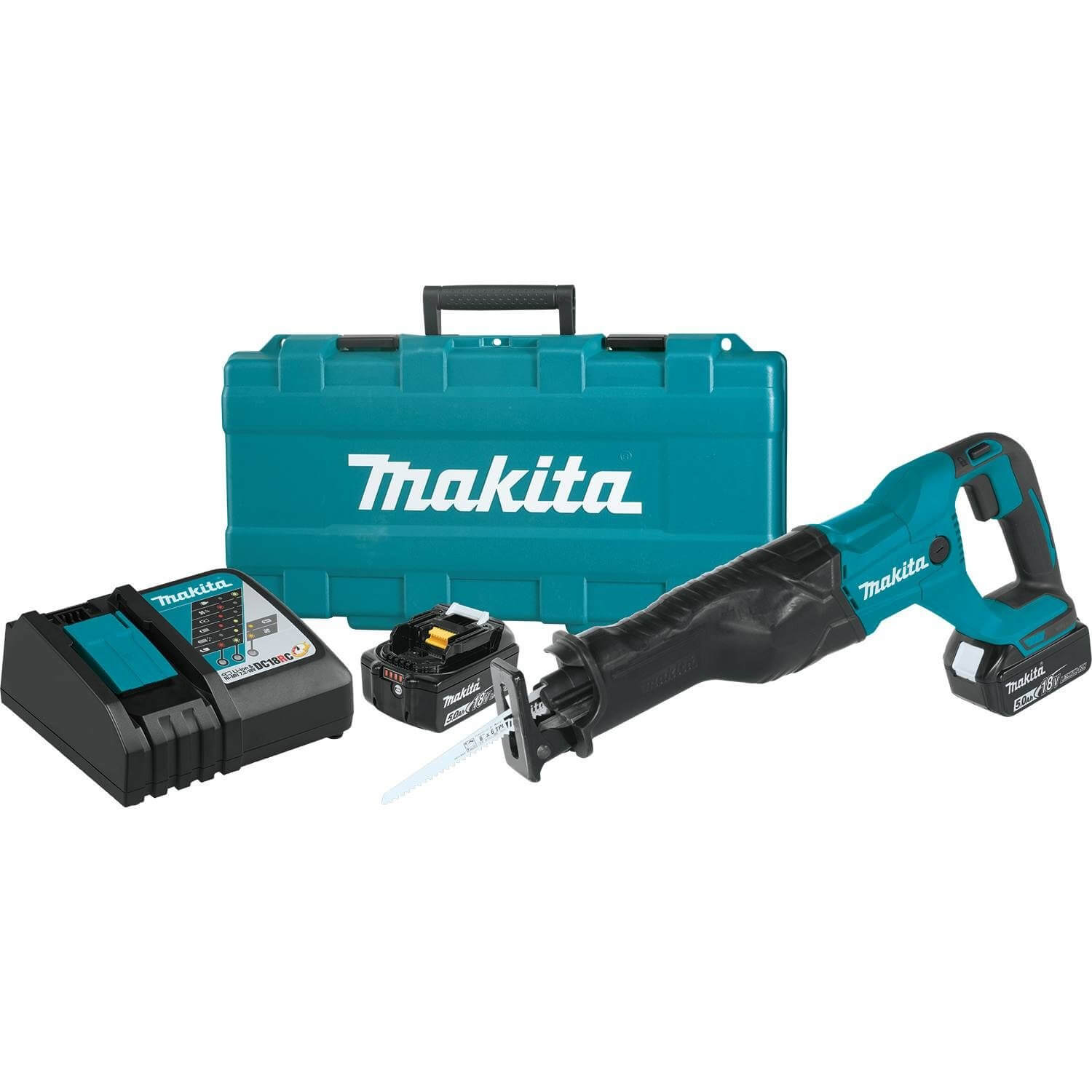 The XRJ04Z is a bit expensive, but for those who need a real workhorse saw it’s perfect.
While a bit smaller than some of the really high-end models out there it’s not a full compact. It produces a pretty incredible amount of power and runs smoothly for extended durations. Add in a high build-quality and you’re looking at something special.
It delivers up to 2,800 SPM with a variable speed trigger and has the longest stroke of the cordless models we tested at 1 ¼”. All of this leads to a great cutting experience overall, it was undoubtedly the smoothest and most powerful of the cordless models we tried out.
It even has a tool-less blade change mechanism. Unfortunately it doesn’t come with a case and Makita batteries are quite expensive.
For those who can afford it, the DWE305 is one of the most powerful and reliable sawzalls on the market. Coming in with an incredible amount of power, a long cord, and DeWalt quality it’s simply the best you’re going to do for the most part.
It runs up to 2900SPM with a 1 ⅛” stroke. The 12 amp motor drives the blade through metal and wood easily as long as the right blade is selected.
It has all of the quality of life features which differentiate a good saw from a great one as well. Tool-less blade changes, an adjustable shoe, and the blade can be positioned along both vertical and horizontal planes.
It comes bare tool, however, and it lacks some of the really advanced features like an oscillating blade.
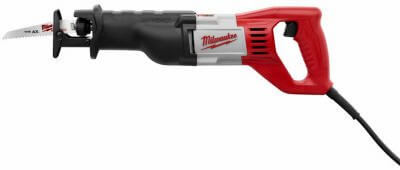 Milwaukee is famous for their tools and their sawzalls are no exception. This saw is powerful, robust, and enormous which makes it great for demolition jobs. It does lack some of the precision of the DeWalt above however.
It’s an expensive machine but there’s a lot to recommend here. It comes in with a 12 amp motor which pushes 3000 SPM and a 1 ⅛” stroke. You’ll be able to cut through damn near anything with this one.
On top of that it has an internal counterweight which helps to reduce the vibration. That makes it easier to run for long hours while retaining feeling in your hands.
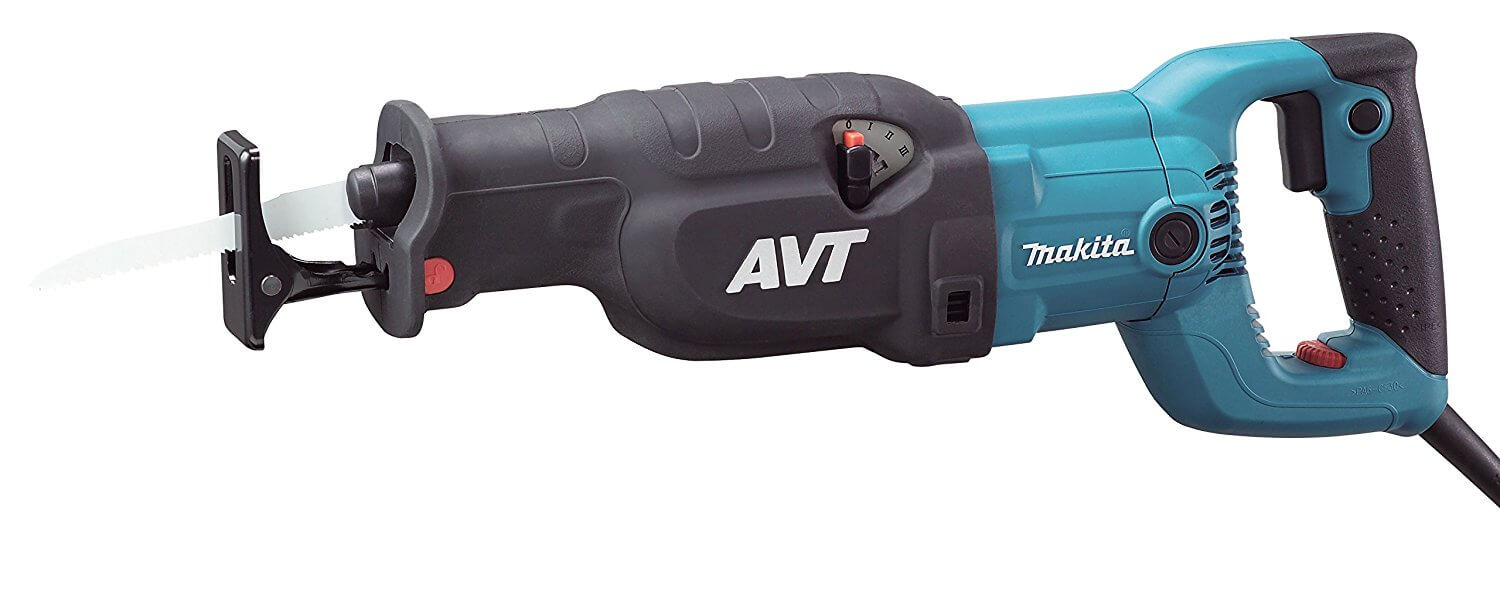 While the majority of the corded models we tested ranged from 7.5 to 12 amp, this beast of a saw from Makita comes in with a solid 15 amps. Add in the 2800 SPM and a 1 ¼” stroke and there’s some serious potential here.
This saw isn’t quite as well built as the two corded models above but it’s a solid piece of work. The main draw is still the power, although the grip is excellent as well. During testing we were able to make short work of everything the saw came across without being uncomfortable.
Like the Milwaukee above it has an anti-vibration quality built right in. We don’t think it was quite up to par with the Milwaukee but it could have just been the extra amperage going through the saw as well.
Unfortunately, the shoe and blade holder don’t seem to have been built up to snuff for the motor. There’s a bit of wiggle with the blade and the shoe doesn’t feel as solid as most of those we tried.
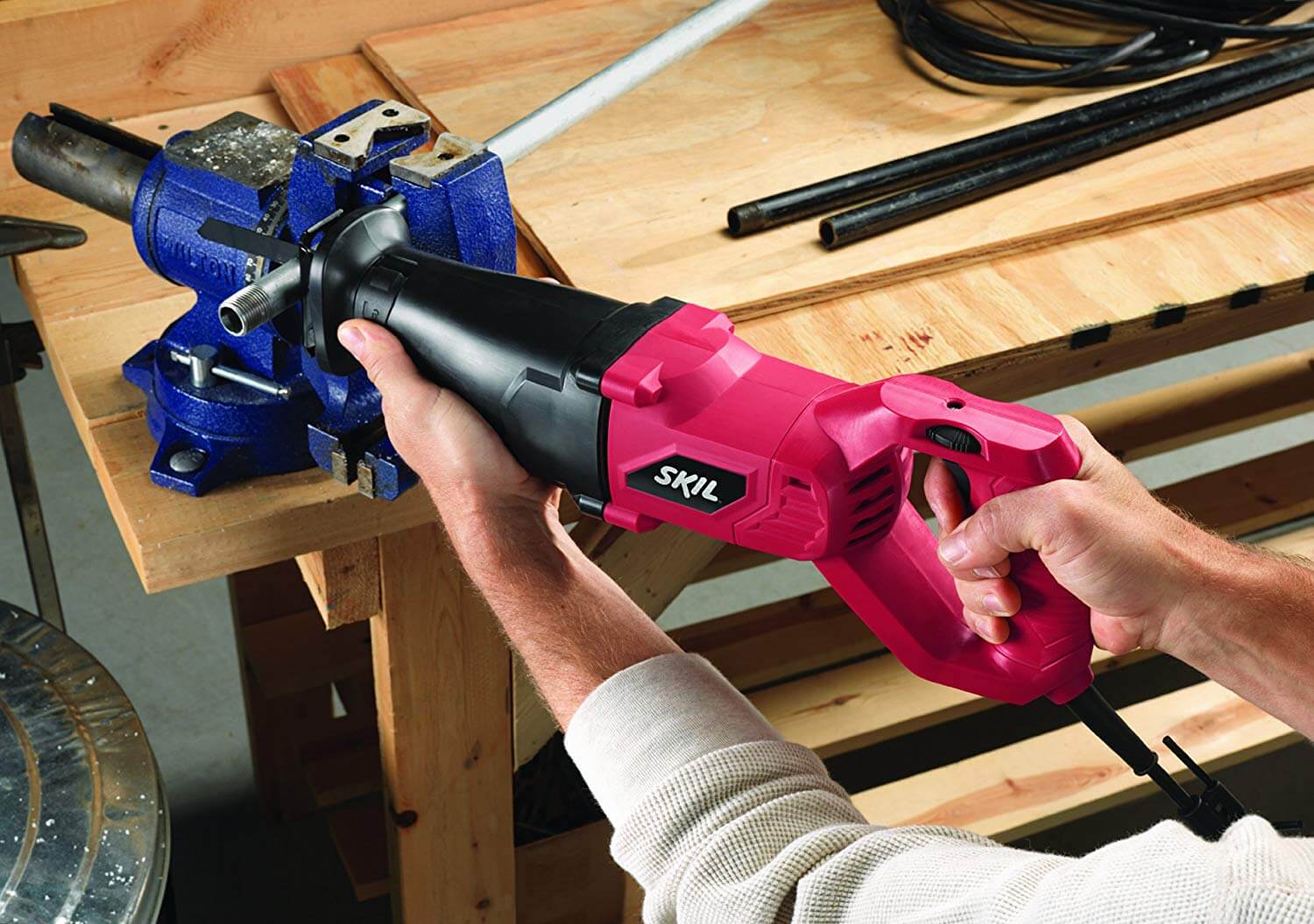
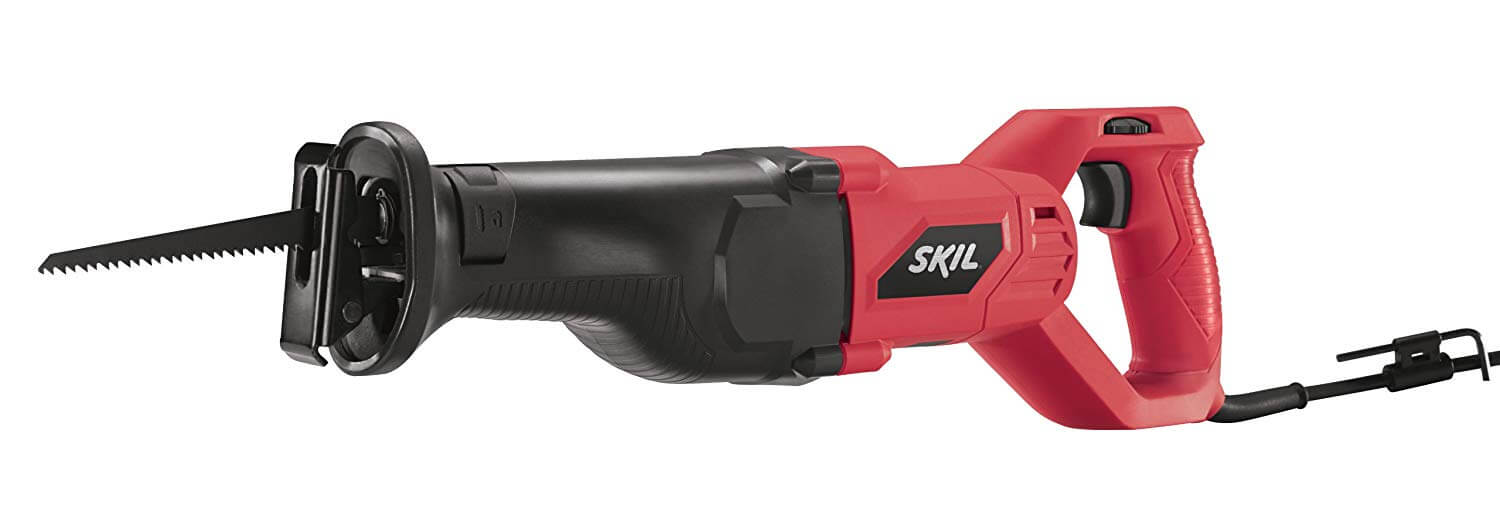 If you’re just building up your tool collection, then you might want to take a look at this saw from SKIL. It’s not quite the budget option but it’s relatively cheap and provides a good amount of power and convenience for the price.
It was the weakest of the corded models we tested, with a motor which is only rated for 7.5 amps and is a bit slower to cut than the others. It’s solid, however, and you won’t have to worry about the battery running out.
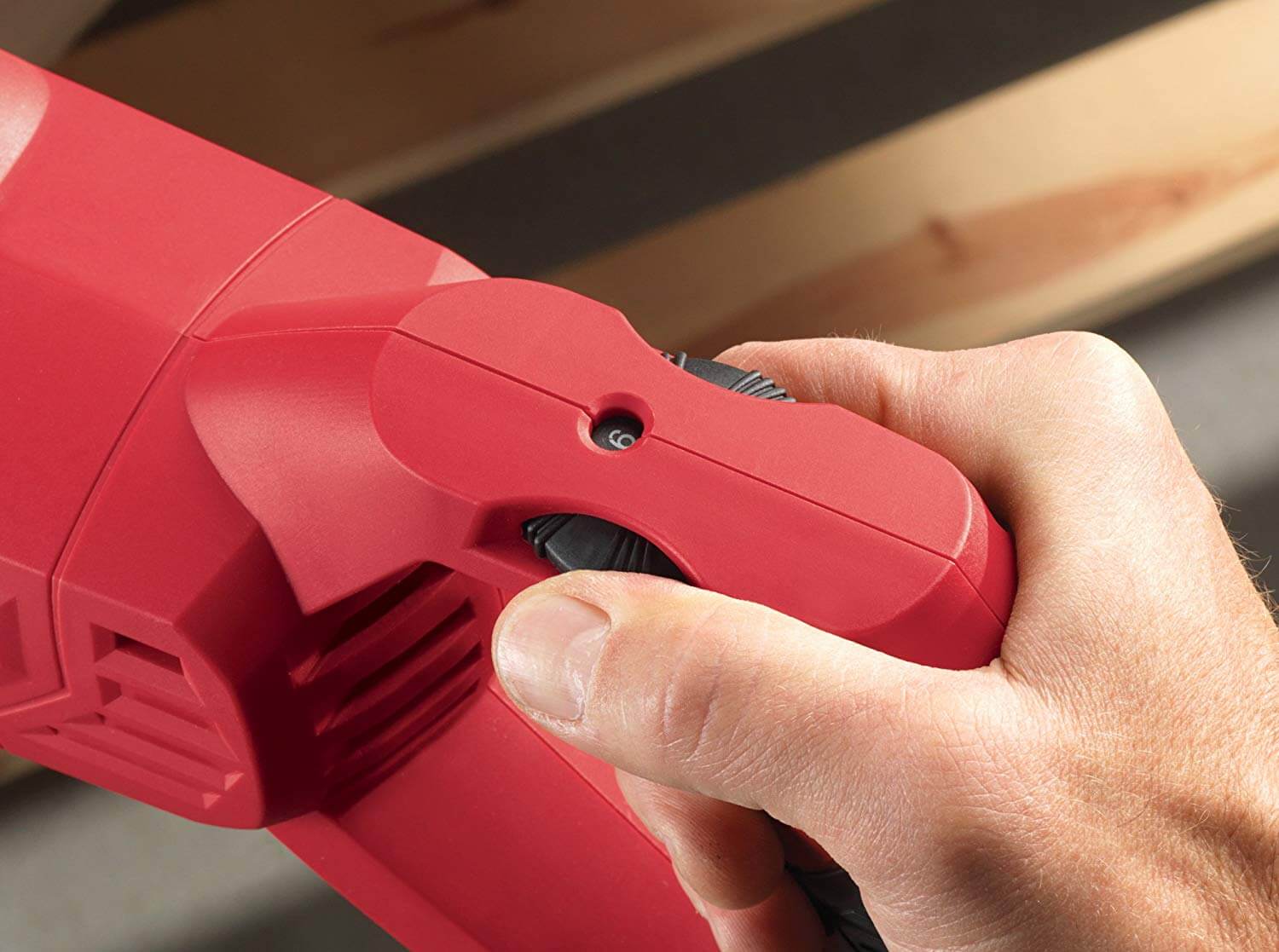 It’s fairly simple, but at this price point, anything which had a lot of quality of life features undoubtedly skimped on the build of the tool itself.
That’s not the case here, if you’re willing to forgo extras then the 9306-02 will serve you well for a long time to come.
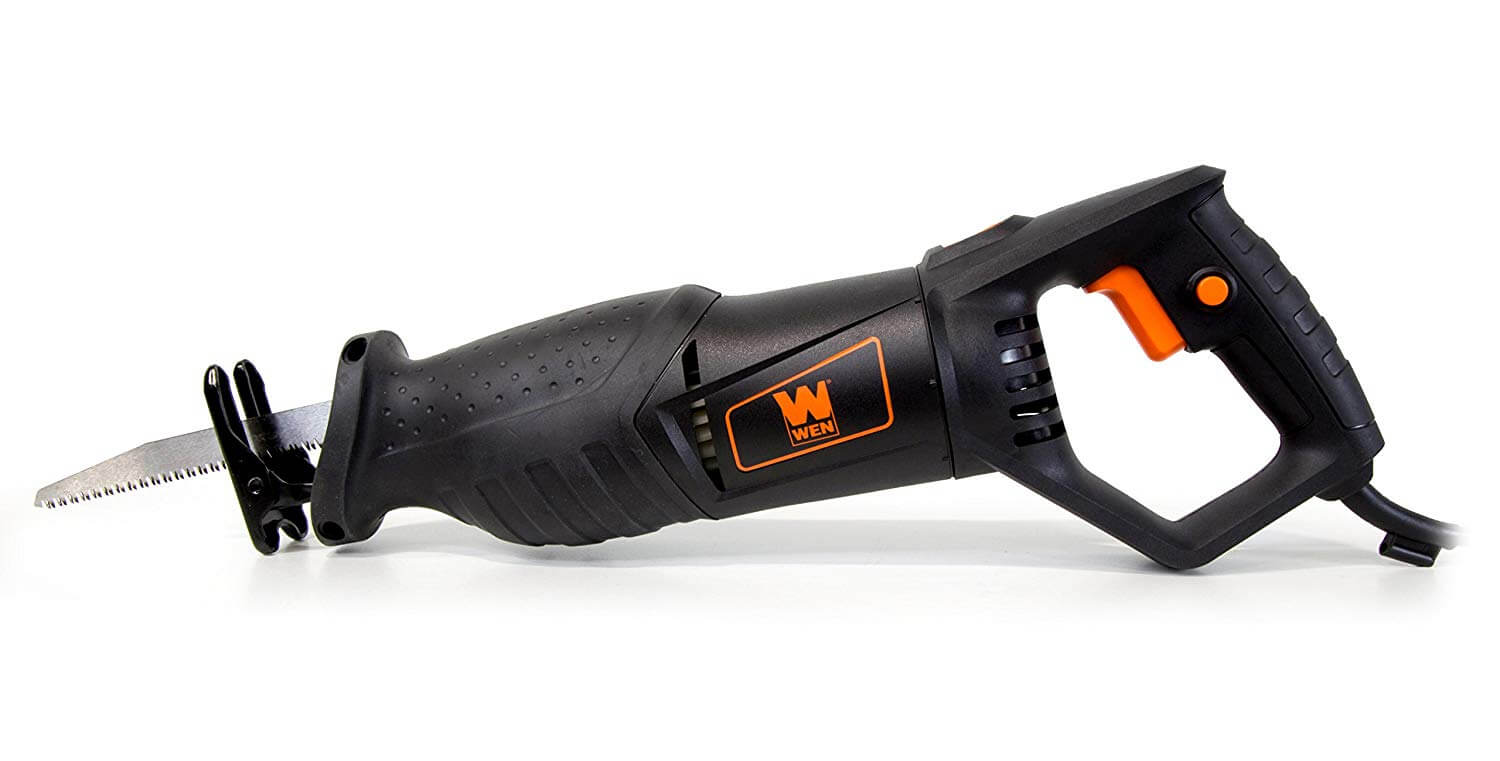 If you’re not planning on needing a workhorse in the future then you’ll find a quick investment in the WEN 3630 will get you through basic tasks for a low cost of entry. It’s not the most solid saw around, it feels pretty cheap in all honesty, but it gets the job done which is the important part.
It does have a heavily repositionable head. Unlike many models, which only allow turns of 90 degrees at a time you’ll find it has eight settings, allowing you to set the blade at 45 degrees through the whole circle.
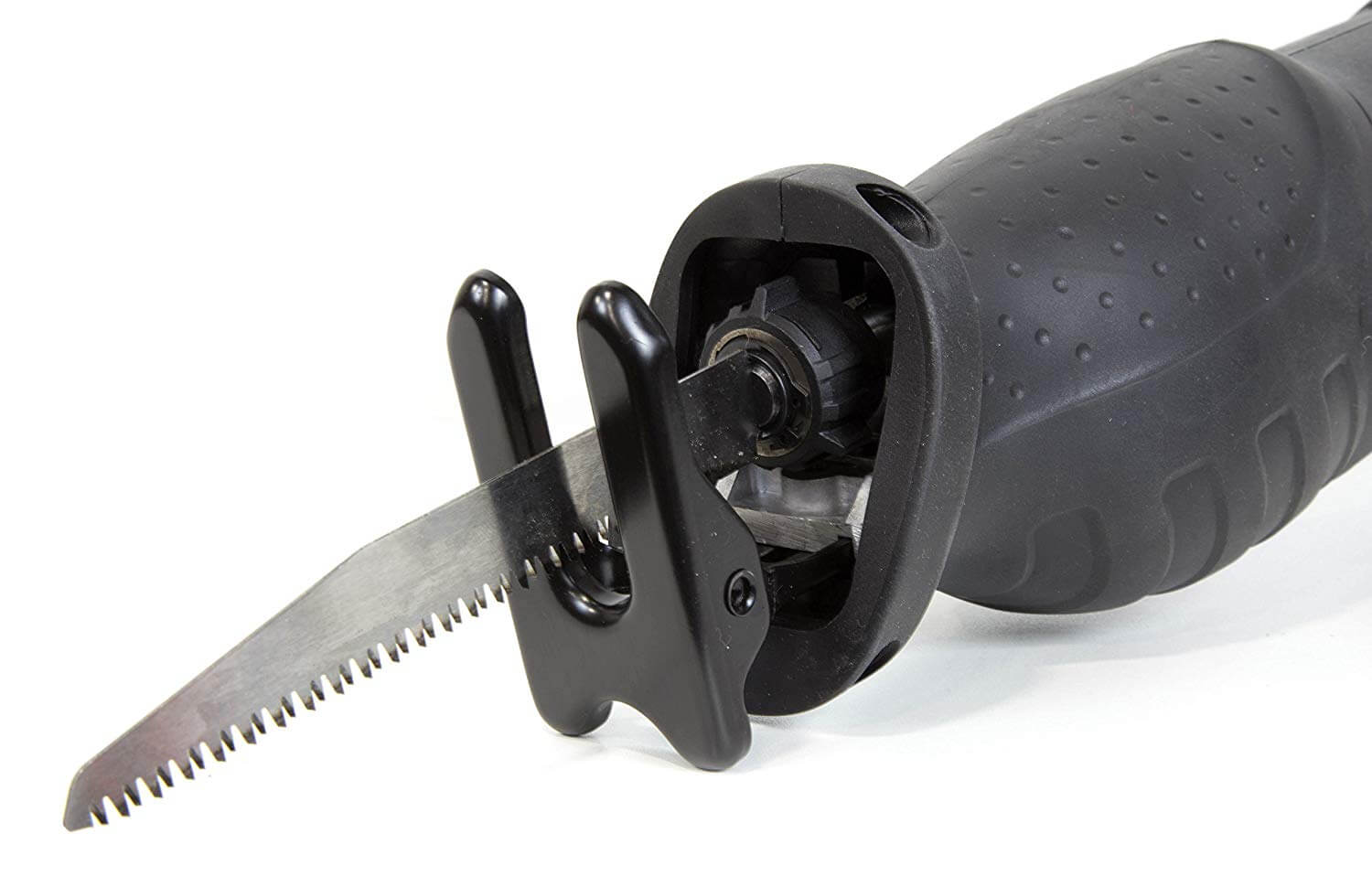 It’s a nice touch, but it doesn’t help that the saw isn’t built to the high-quality standards of more well-known brands.
Where it shines is for those who only rarely use their saw. If you plan on trimming a couple trees and maybe the occasional 2×4 or 4×4 you’ll be well served with its little 10 amp motor. Professionals will want to shy away, however.
Perhaps just as important as your reciprocating saw is the blade which goes into it.
There’s an insane amount of engineering behind saw blades in general. You have the depth of the teeth, the teeth per inch, the metal of the blade itself, and its overall length to take into account.
Fortunately, you don’t need to be an engineer in order to understand which blade to pick: they’re usually labeled for the material they’re meant for.
What we do recommend is not going cheap with your blades, even if you’re using a cheaper reciprocating saw. A cheap saw really isn’t going to affect the lifespan of the blade in question.
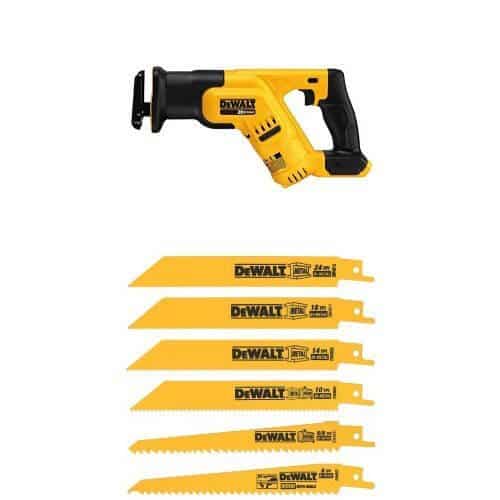 For the most part, these blades are divided into metal and wood blades.
There are also specialty blades available, including those meant for masonry. If it exists there’s a blade that you can chuck in a reciprocating saw for it.
Wood blades are usually fine in material with nails, but if the material is heavily infested with nails then you may want to go with a carbide grit blade instead. These will allow you to go through pretty much anything quickly, but be careful not to overheat them as it can destroy the grit.
Reciprocating saws are powerful tools, but that same power means that you need to be cautious when you’re using them.
 When cutting anything you should be wearing ANSI rated safety goggles, but there are some additional things to keep in mind when using a sawzall.
The first is to see whether or not your tool has an electric brake. You can tell by spooling up the motor and letting off the trigger. If the blade stops, you have a brake and you can safely stop the saw while it’s still within a material.
If you don’t have a break it’s important to slowly let off the trigger and pull the blade up. Since the blade will run for a few more strokes once you’ve stopped apply power it runs the risk of snagging and kicking back. This can knock you on your butt on the ground but it can also do things like knock you off a ladder or ledge.
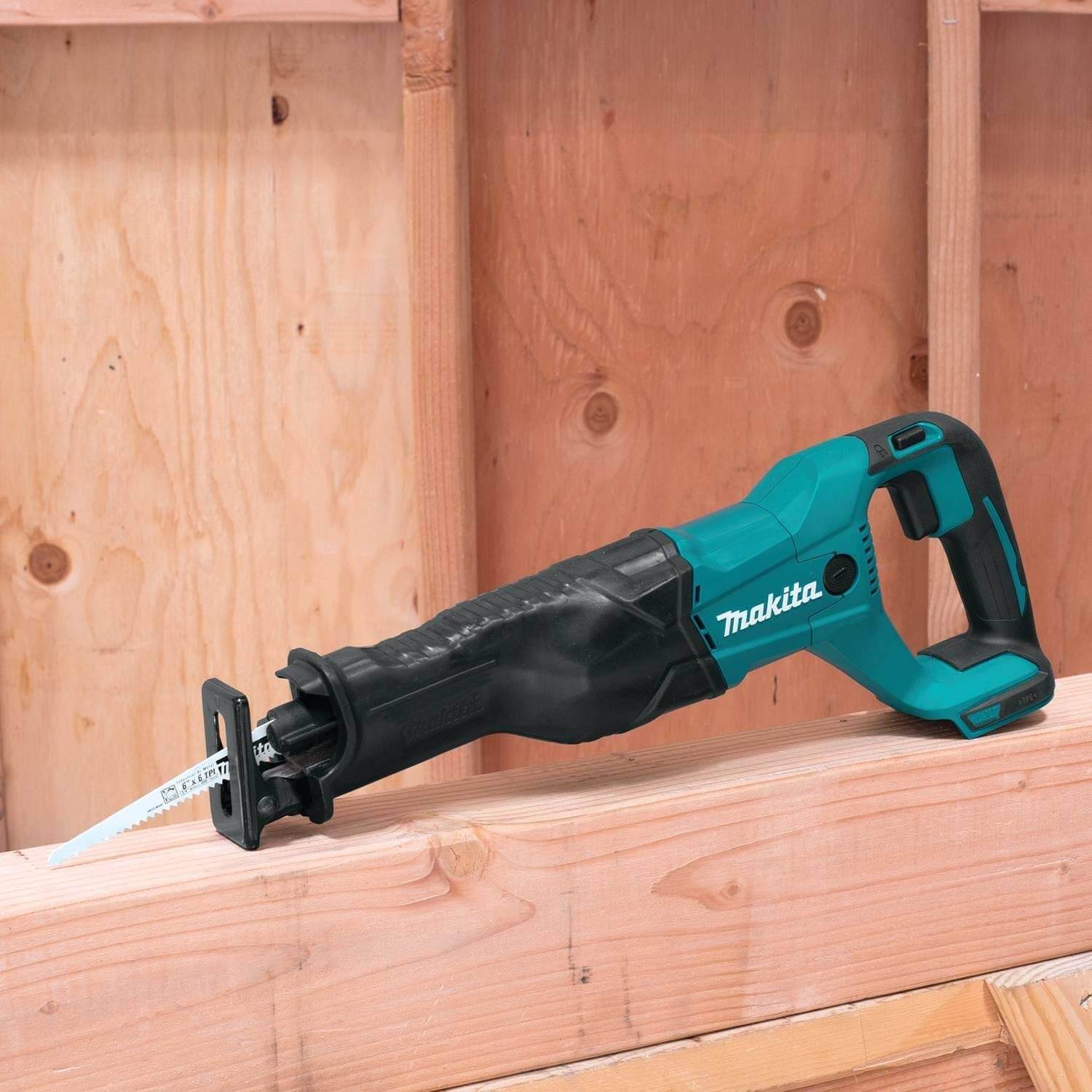 You’ll also want to make sure you have the right blade. While blades can sometimes be used on different materials it will cut the life of the blade and it runs the risk of breaking while in operation. That’ll send shrapnel around, which is a hairy situation for anyone to be in.
Lastly, avoid overheating the blade if possible. You’ll naturally get some heat in between cuts, especially in metal, but you can warp the blade if you repeatedly heat it and keep using it. That will lead to a break in the future at the very least.
While they’re not the first thing which comes to mind for most people when it comes to saws, a reciprocal saw can make a huge difference. If you find yourself taking things apart regularly in your workshop or doing demolition for work then they’ll pay dividends.
So, what are you waiting for? We’re confident one of our reviewed models are right for you. Pick it up now and get to hacking.